


Why Your Brain Needs the Right Fuel
Your brain uses about 20% of your body’s energy, even though it’s only 2% of your weight. When you skip breakfast or grab a pastry at 10am, you’re not just feeling sluggish — you’re literally starving your cognitive functions. It’s not willpower that fails by 3pm. It’s biochemistry.
Here’s what happens: You eat refined carbs, your blood sugar spikes, insulin floods your system, and 90 minutes later you crash. Your prefrontal cortex — the part handling focus, decision-making, and self-control — goes offline. You’ll find yourself reaching for another coffee or scrolling instead of working. We’ve all been there.
The solution isn’t restriction or extreme diets. It’s understanding how different foods affect your energy and timing them right. We’re talking about real, practical eating patterns that actually fit a Hong Kong professional’s schedule.

The Foundation: Protein + Fat + Fiber
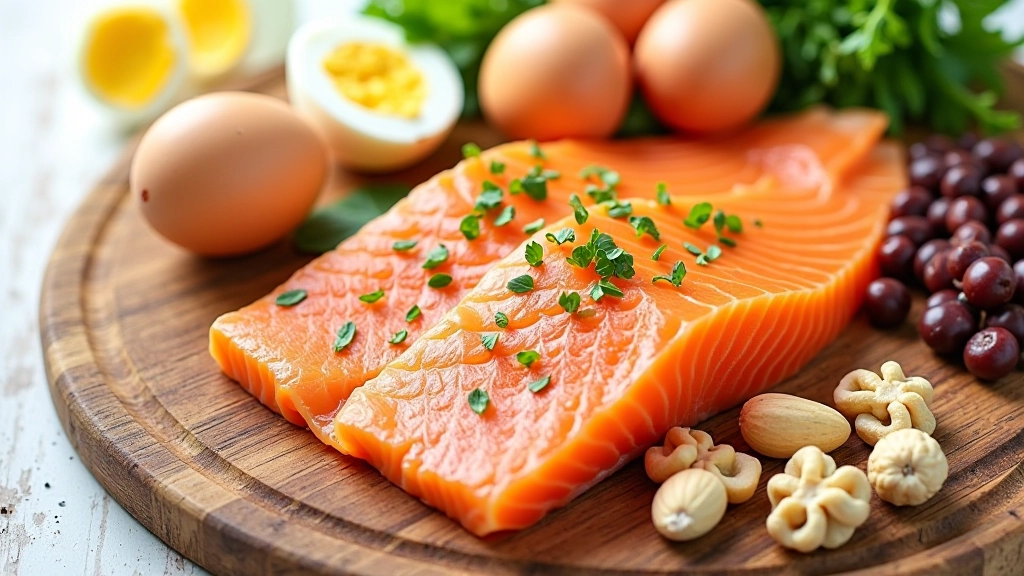
Every meal that keeps you focused needs three things working together. Protein slows digestion. Fat stabilizes energy. Fiber prevents the spike-and-crash cycle. Without all three, you’ll get a temporary boost followed by a wall.
Think of it like this: Carbs alone are like pouring gasoline on a fire — quick burn, nothing left. Protein and fat are like burning coal — slower, steadier, lasts longer. A proper breakfast might be eggs with whole grain toast and avocado. Lunch could be grilled fish with brown rice and vegetables. Not complicated, just balanced.
The numbers matter less than the combination. Aim for roughly equal amounts of each macronutrient at main meals — don’t obsess over percentages. Your body will tell you if it’s working. You’ll notice around 2pm you’re still sharp instead of hitting the afternoon slump.
Quick protein options for busy mornings
- Greek yogurt with granola and berries (2 minutes)
- Scrambled eggs with toast (5 minutes)
- Overnight oats with protein powder (prep night before)
- Cottage cheese with fruit and nuts (0 prep)
- Protein smoothie with banana and peanut butter (3 minutes)
Note: This article is educational and informational. Nutritional needs vary significantly based on individual health conditions, medical history, and activity level. If you have specific health concerns, dietary restrictions, or are managing a medical condition, consult with a qualified nutritionist or healthcare professional before making significant dietary changes. What works for maintaining focus varies from person to person.
The 11am Snack That Actually Works
This is where most people fail. They eat a proper breakfast, feel good until mid-morning, then grab a cookie at 11am and wonder why they crash by 1pm. The snack is crucial — it bridges the gap between breakfast and lunch without creating another energy crash.
Your best bet? Something with both protein and fat. A small handful of almonds. A piece of cheese with an apple. Some nuts and a banana. Even better: a small protein bar with less than 5g of sugar. The goal is to extend your energy plateau without spiking blood sugar again. You want steady, not a roller coaster.
Timing matters too. If you ate breakfast at 7am, snack at 11am. If you ate at 8am, 11:30am is better. You’re looking for that moment when energy starts dropping slightly but before you feel actually hungry. Eat then, and you’ll notice your afternoon focus stays sharp.


Hydration and the Afternoon Slump
You’ll often feel “hungry” at 3pm when you’re actually dehydrated. Your body’s first signal for water is often misinterpreted as hunger. Drink before you eat. A glass of water with your mid-morning snack. Another at lunch. It’s unsexy advice, but dehydration absolutely tanks your focus.
Here’s a practical pattern that works: Water when you arrive at work. With breakfast. Before the 11am snack. With lunch. Mid-afternoon (this prevents the fake-hunger crash). The amount varies — you’ll need more in Hong Kong’s heat — but most people drinking this pattern naturally find they’re clearer throughout the day.
Coffee and tea count, but they’re not substitutes. The caffeine helps focus, sure, but don’t use coffee as your hydration strategy. You’ll end up jittery and dehydrated by lunch. Drink water first, add coffee second.
What to Do When You Skip Lunch (Because You Will)
Hong Kong’s work culture doesn’t always allow for proper lunch breaks. Meetings run through noon. Deadlines loom. You tell yourself you’ll eat at 2pm, then it’s 4pm and you haven’t eaten since 8am. This is exactly when your brain checks out.
If you know you’ll skip lunch, plan ahead. Have a substantial mid-morning snack with both protein and carbs — maybe a rice cake with peanut butter and banana. Then have another at 2pm or 3pm. It’s not ideal, but it’s better than running on fumes until dinner. You’ll maintain focus instead of watching productivity crater.
The real strategy: Know your schedule. On meeting-heavy days, eat a bigger breakfast and have snacks positioned throughout the day. On days with actual lunch time, use it properly — don’t waste it on vending machine chips. A 20-minute lunch with real food beats no lunch plus hunger headaches at 5pm.

Building Your Nutrition Strategy
None of this requires meal prep services, special supplements, or giving up foods you enjoy. It’s just understanding the basic pattern: protein + fat + fiber at main meals. Smart snacking in the mid-morning. Consistent hydration. Timing meals to your actual schedule instead of ignoring hunger until you’re desperate.
Start with one change. Maybe it’s adding protein to breakfast. Maybe it’s actually eating the 11am snack instead of pushing through. Track how you feel — your energy, your focus, when you hit walls. You’ll notice patterns. From there, adjust. This isn’t about perfection. It’s about enough consistency that your brain gets the fuel it needs to do actual work.
Your afternoon productivity isn’t a character flaw. It’s not laziness. It’s usually just your body telling you it ran out of fuel. Feed it properly, and you’ll be shocked how much sharper you stay until 5pm and beyond.