
Task-Energy Alignment — Matching Work to Your Rhythms
Deep work in the morning, admin in the afternoon. We’ll show you how to map your tasks to your energy and why it actually doubles your output.


Most people treat their day like a single energy level. You wake up, you work, you finish. But that’s not how your brain actually functions. Your energy peaks and dips. Your focus sharpens at certain times. Your capacity for creative thinking shows up on a schedule.
The problem? We schedule our work backwards. We put important meetings at 4pm when we’re running on fumes. We save email and admin for morning when we’re sharp. We wonder why we’re exhausted by Tuesday.
Task-energy alignment is simple: match the work to when you’re capable of doing it best. Deep work when you’re fresh. Admin when you’re tired. Meetings when you can actually think. It’s not motivation. It’s not discipline. It’s physics.
The Reality
Most professionals waste their peak hours on low-value work. Then they try to do important work when their energy is already spent. This single mistake cuts productivity in half.
Understanding Your Energy Curve
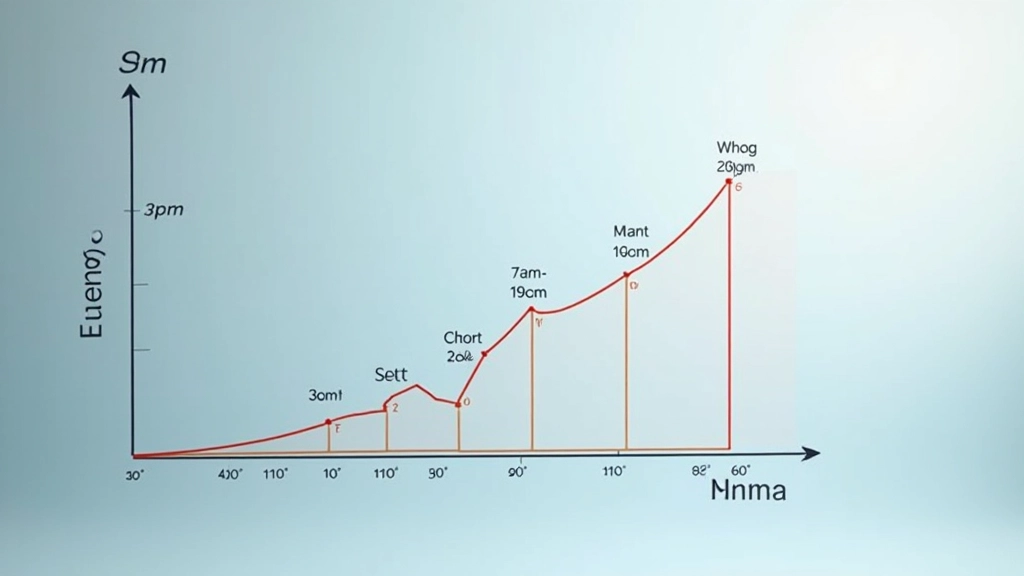
Your energy isn’t flat across eight hours. It follows a pattern — usually high in the morning, dipping around 2-3pm, and either rising slightly or dropping further depending on your biology.
In Hong Kong, where many professionals work across multiple time zones, this pattern gets more complex. But the core truth remains: you have windows of peak capacity. Most people ignore them completely.
The first step is tracking. Not obsessively. Just paying attention. When do you feel most alert? When does thinking feel effortless? When does even small tasks feel heavy? These observations aren’t feelings — they’re data about your actual performance capacity.
Common energy patterns:
- Morning peak: 7am-11am (most common)
- Afternoon dip: 2pm-4pm (universal)
- Secondary peak: 5pm-7pm (for some people)
- Evening decline: after 8pm (for most)

Categorizing Your Work by Energy Demand
Not all work requires the same mental fuel. Writing a proposal isn’t the same as responding to emails. Strategy work isn’t the same as scheduling. Once you know your energy curve, you categorize.
Deep work — the kind that requires sustained focus, creative thinking, or complex problem-solving — belongs in your peak hours. This is non-negotiable. If you’re doing your best thinking work at 4pm when your energy is half of what it was at 9am, you’re handicapping yourself.
Execution work — implementation, routine coding, straightforward tasks — works fine in medium-energy hours. You don’t need peak capacity for these. You just need to not be exhausted.
Admin work — emails, scheduling, filing, approvals — is your low-energy-hour work. This is where your afternoon dip becomes useful instead of frustrating.
Important Note: This guide is educational information based on productivity research and performance science principles. Individual energy patterns vary significantly based on sleep quality, nutrition, health conditions, and personal chronotype. These are strategies to explore and adapt to your own situation — not prescriptive rules. If you’re experiencing persistent fatigue or energy issues, consult a healthcare professional.
Building Your Aligned Schedule
Here’s where theory becomes practical. You’re going to design a week that actually works with your biology instead of against it.
Start small. Pick one week. Map your actual energy curve from Monday to Friday. Write down when you felt sharp, when you felt foggy, when small tasks felt manageable. Don’t guess — observe.
Then look at what you actually scheduled. How much of your peak hours went to deep work? How much got stolen by meetings and admin? Most people discover they’re spending 30-40% of peak hours on low-value work. That’s where your leverage is.
Now rebuild that week. Protect your peak hours for real work. Block them. Actually decline meetings that want to land there. Move admin to your afternoon dip. Schedule collaborative work for when your energy is medium — you don’t need peak focus for meetings, you need presence.


The Leverage Points: Timing Matters
You can’t completely override your biology. But you can smooth the dips and extend the peaks with three simple interventions.
Timing your lunch: Eat too early and you’ll hit your 2pm crash while still hungry. Eat too late and you won’t have energy before the dip. In Hong Kong’s working culture, 12:30pm lunch often works better than the standard noon. You’re still in peak energy when you eat, and you hit your natural dip right when you’re finishing up before the afternoon session.
Strategic breaks: A 10-minute walk between peak hours and your afternoon work isn’t wasting time — it’s resetting your system. You’ll actually be more effective after a break than if you push through fatigue. This isn’t optional.
Batching similar work: Meetings in clusters, emails in batches, admin in blocks. Switching between deep work and shallow work destroys focus. But shallow work in blocks? That’s actually efficient.
Making It Real
Task-energy alignment isn’t about working harder or longer. It’s about working smarter by acknowledging how your body actually works. Most professionals spend their careers fighting their own biology instead of working with it.
This week, do one thing: track your energy. Notice when you’re sharp. Notice when you’re foggy. Then next week, schedule one important task during your actual peak hour instead than whenever you usually do it. Feel the difference.
That difference? That’s what aligning your work to your rhythms feels like. Once you experience it, you won’t go back.