
Finding Your Peak Hours — And Actually Using Them
Most people waste their peak cognitive hours on email and meetings. We’ll show you how to identify when you’re actually most capable and restructure your day around it.
Read ArticlePeak performance isn’t about pushing harder. It’s about working with your body’s natural rhythms to achieve sustainable results in Hong Kong’s demanding work environment.
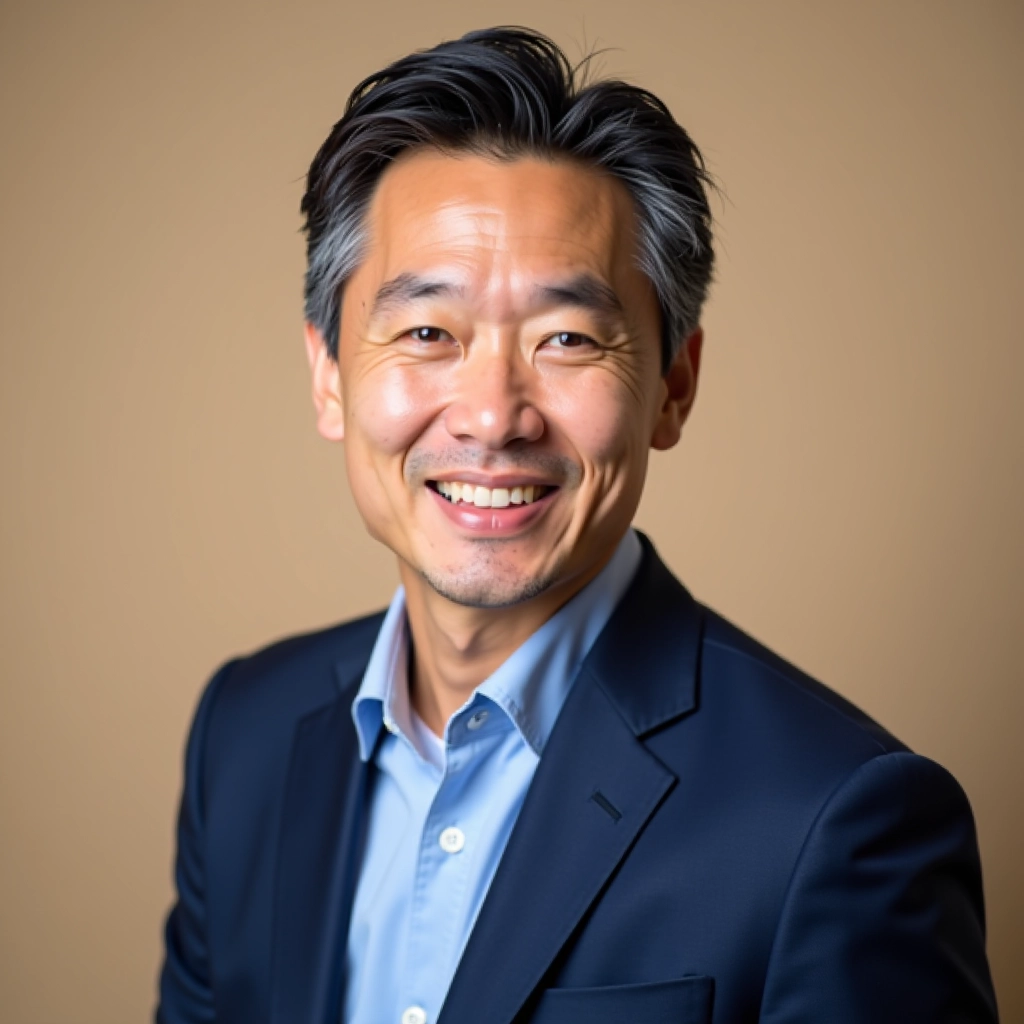
I was working in corporate finance during the boom years. The hours were brutal — 70, 80 hour weeks weren’t unusual. We’d celebrate closing deals at 2 AM like it was a badge of honor. Everyone around me was doing the same thing, so it felt normal. But normal doesn’t mean sustainable.
By my late twenties, I was running on fumes. Coffee before breakfast. Energy drinks mid-afternoon. Sleeping 5 hours and calling it discipline. The worst part? I wasn’t even performing well anymore. I’d make careless mistakes, miss details, struggle through afternoon meetings. I was exhausted and ineffective — the worst combination.
When I finally burned out completely, I took six months off. During that time, I read everything I could find about exercise physiology, sleep science, and nutrition. But most of what I found was written for athletes or people in completely different work cultures. Nothing made sense for Hong Kong’s specific pressures — the heat and humidity, the long hours, the cultural expectations around work.
So I went back to school. Got my Master’s in Exercise Physiology from HKU, then completed certifications in chronobiology and sports nutrition. I spent years running my own research with Hong Kong companies, trying to figure out what actually works here. And here’s what I learned: peak performance isn’t a motivational poster. It’s physiology.
The breakthrough came when I stopped trying to force myself into productivity systems designed for people in cool climates with 9-to-5 schedules. Instead, I started asking: What does Hong Kong’s heat do to your circadian rhythm? How does our humidity affect recovery? When are people actually capable of deep work during a 12-hour workday?
That’s when I realized the problem wasn’t with my clients — it was that nobody was giving them frameworks built for their actual environment. Now I do. Every strategy we develop accounts for Hong Kong’s climate, work culture, and the specific demands people face here. And the results speak for themselves.
Every strategy is grounded in research, tested with real professionals, and adapted for Hong Kong’s unique work environment.
Understanding when your body is naturally energized. We don’t fight your circadian clock — we align your most important work with your peak cognitive windows.
Rest isn’t laziness. It’s active recovery that restores mental clarity and sustained energy. We design breaks that actually work — not generic 5-minute scrolls.
What you eat directly impacts your ability to think clearly and sustain energy. We’ve moved past “eat healthy” to precise nutritional timing that matches your workday demands.
Matching the right work to the right time. Creative work at 10 AM, administrative tasks at 3 PM. Simple idea, but it’s transformative when you actually implement it.
Hong Kong’s heat and humidity uniquely stress your system. We account for thermal stress, hydration needs, and seasonal rhythm shifts that most generic productivity advice completely ignores.
We don’t track hustle. We track what actually matters: output quality, decision-making clarity, and whether you can maintain your pace without burning out.
Specialized research in circadian physiology and performance adaptation in tropical climates.
Advanced certification in circadian rhythm science and sleep physiology.
Focus on nutrient timing, metabolic optimization, and cognitive performance enhancement.
Leading research and implementation of energy management systems for Hong Kong professionals.
You don’t need another motivational poster or productivity hack. You need to understand how your body actually works — your circadian rhythm, your metabolic needs, your recovery capacity. Once you understand the physiology, the strategies follow naturally. That’s where real change happens.
Every piece of productivity advice I found was written for people in cool climates with traditional work hours. Hong Kong’s heat, humidity, and work culture are completely different. Generic strategies don’t work here. Everything we develop is built specifically for how people actually work in Hong Kong.
The old model says: work harder, sleep less, push through. That’s not peak performance — that’s burnout in progress. Real sustainable high performance comes from working smarter, aligning your efforts with your natural rhythms, and building recovery into your system from the start.
We don’t rely on anecdotes or theory. Every strategy is tested with real professionals in real Hong Kong companies. We measure what matters — output quality, decision-making clarity, sustainable pace — and adjust based on what the data actually shows.
Every engagement starts with understanding your specific situation, not applying a generic template.
We start with detailed conversations about your actual workday. What does your schedule look like? When do you feel most alert? Where are you losing energy? What are the non-negotiables in your work environment?
We measure your current patterns — sleep quality, energy fluctuations, performance metrics. This gives us a clear starting point and helps identify where the biggest leverage points are.
Based on the data, we build a customized energy management system. This includes your optimal task timing, strategic break protocols, specific nutritional timing, and environmental adjustments for Hong Kong’s climate.
We don’t just hand you a plan. We work through the implementation together, identify what’s working, adjust what isn’t, and refine the system as your situation evolves.
Deep dives into energy management, peak performance, and the science behind sustainable productivity.
Most people waste their peak cognitive hours on email and meetings. We’ll show you how to identify when you’re actually most capable and restructure your day around it.
Read ArticleNot all breaks are equal. We’ll break down the science of active recovery, micro-rest protocols, and how to structure your day so you stay sharp from morning through evening.
Read ArticleYour afternoon energy crash isn’t inevitable. We’ll show you exactly what to eat and when to eat it so your body fuels your mind instead of dragging you down.
Read Article“I was skeptical at first — thought it was going to be another productivity course. But once I actually tracked my energy patterns and started aligning my work with them, everything changed. I’m getting more done in 10 hours now than I was in 12 before. Best part? I’m not exhausted anymore.”
“What Marcus explained about how Hong Kong’s heat affects your circadian rhythm actually made sense. Nobody else talks about that stuff. Once we adjusted my nutrition and break timing for the climate, my afternoon performance got way better. My team noticed the difference immediately.”
“I wasn’t sleeping well, constantly tired, and couldn’t figure out why. Turns out I was eating all wrong and timing everything against my actual circadian rhythm. It took about three weeks to adjust, but now I actually feel awake during my workday. Don’t want to go back.”
Let’s talk about your specific situation and design an energy management approach built around how you actually work.